
Modern Heritage Conservation: Sustainability between Common Places and Boundaries
Andrea Canziani
March 26, 2026
2:30-3:30 pm Open Lecture
3:30-6:30 pm Co-creation Activity (for PoC students only)
Room 1B DAD | UniGe
Teams ID meeting: 349 497 107 996 99
Passcode: YF66qD6Y
The lecture addresses the emergence of sensitivity toward modern architectural heritage, the different perspectives of restoration cultures, and the current challenge of sustainability in the conservation of modern and contemporary heritage.
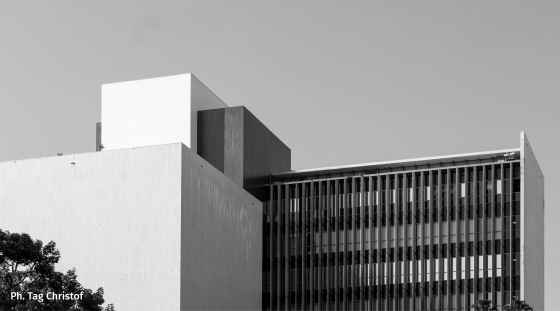
The discussion will be supported by the case study of the latest IDC Workshop, The Hall of Records by Richard Neutra and Robert Alexander in Los Angeles (1962), offering the opportunity to analyze different interpretations of conservation and sustainability.
In particular, the lecture will question the reductionist approach that equates sustainability solely with energy performance, neglecting its cultural, historical, and identity-related dimensions.
Andrea Canziani
Architect Officer, Ministero della Cultura, SABAP Liguria
Chair of DOCOMOMO ISC Education + Training
Andrea Canziani, M.Sc. in Architecture, holds a Ph.D. in Rehabilitation of Buildings and Urban Systems, and a Pg.D. in Restoration of Monuments. He serves as the Chair of the DOCOMOMO ISC Education + Training (ISC/E+T) and has previously held the position of Secretary General at DOCOMOMO Italy.
Currently, he works as an Architect Officer at the Italian Ministry of Culture (Soprintendenza ABAP Liguria) and is also an adjunct professor in Architectural Preservation at Politecnico di Milano AUIC School. His primary research focuses on the philosophy and theory of heritage conservation, planned conservation of modern heritage, and cultural studies related to the reception of contemporary art.
Co-creation Activity
GROUP 01
Students: Krisa Çela, Anastasiia Druzhinina, Antonela Frroku, Amina Gjineci, Virginia Golin, Ximena Rodriguez, Ana Maria Sanchez, Valeria Sitzia
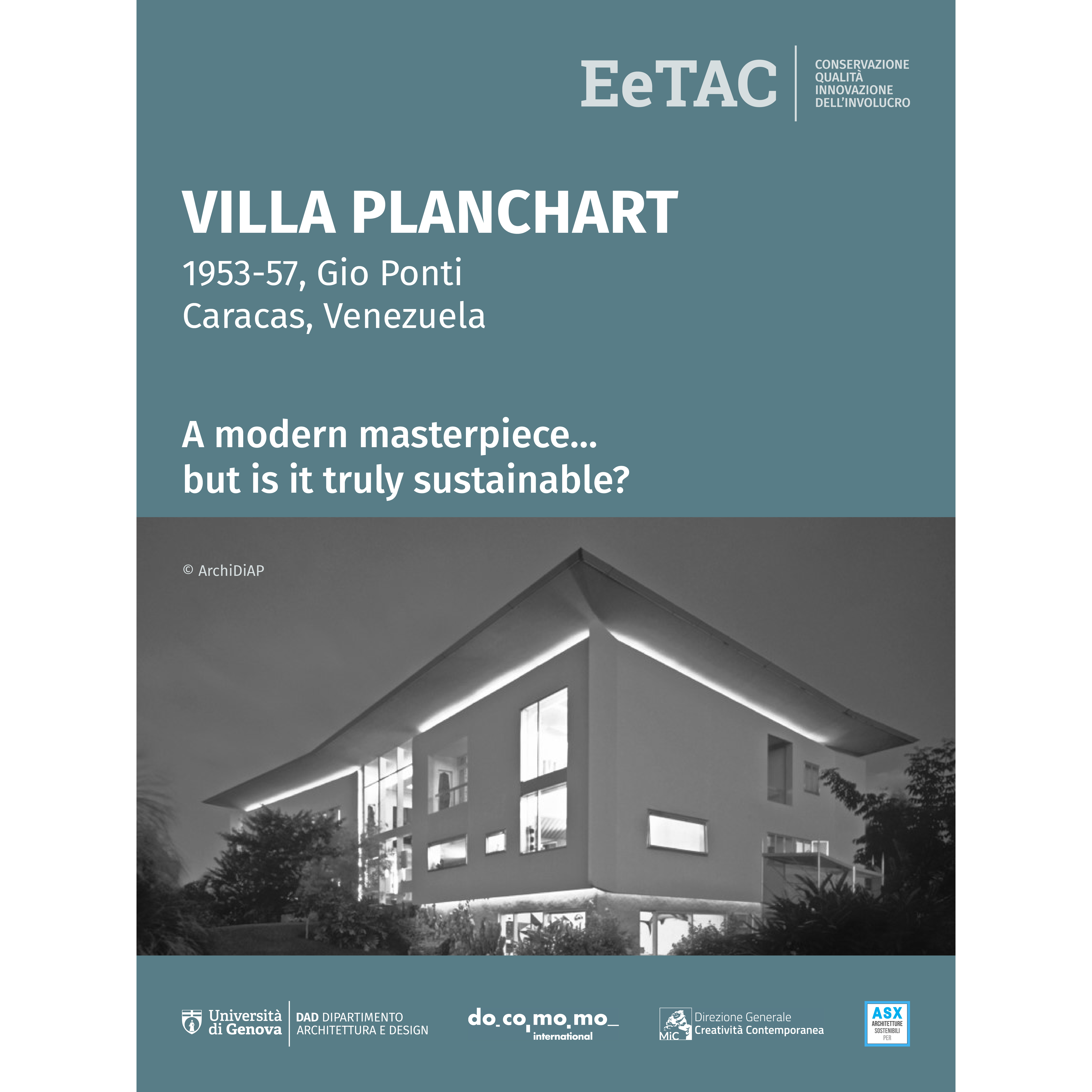
Usability, Relevance, and Memory: The Living Legacy of Villa Planchart
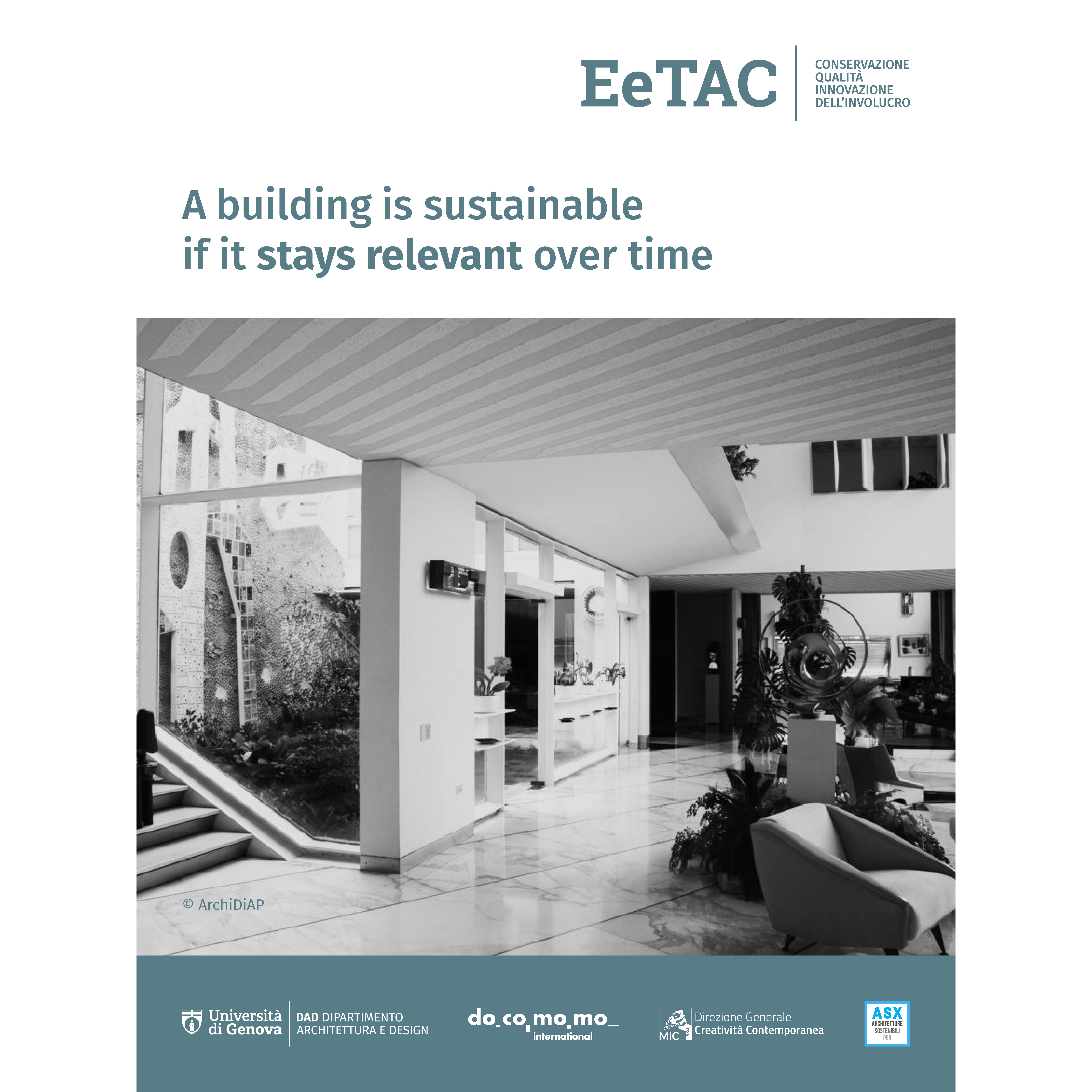
Villa Planchart by Gio Ponti helps us rethink sustainability in architecture from a 20th-century heritage perspective. Sustainability is not understood solely in technical or environmental terms, but rather as a cultural and social process linked to the long-term recognition and utilization of architecture. Although Villa Planchart is recognized as a modern masterpiece, its sustainability depends on its capacity to remain meaningful, usable, and valued by society over time. This project emphasizes the gap between expert recognition and public perception, arguing that architecture can only be truly sustainable if it is continuously engaged with and reinterpreted by its users. In this sense, sustainability is framed as the ability of architecture to sustain its relationship with everything that surrounds it, from the city to society, meanings, and cultural relevance, moving beyond preservation as a static condition toward an open and evolving process.
Keywords: usability, cultural relevance, collective memory



GROUP 02
Students: Lorenzo Berutti Bergotto, Simone Carnesecca, Nour El Moussaoui, Moddar Khatib, Assam Lamia, Giacomo Persico, Saba Samadi, Francesco Scapuzzi
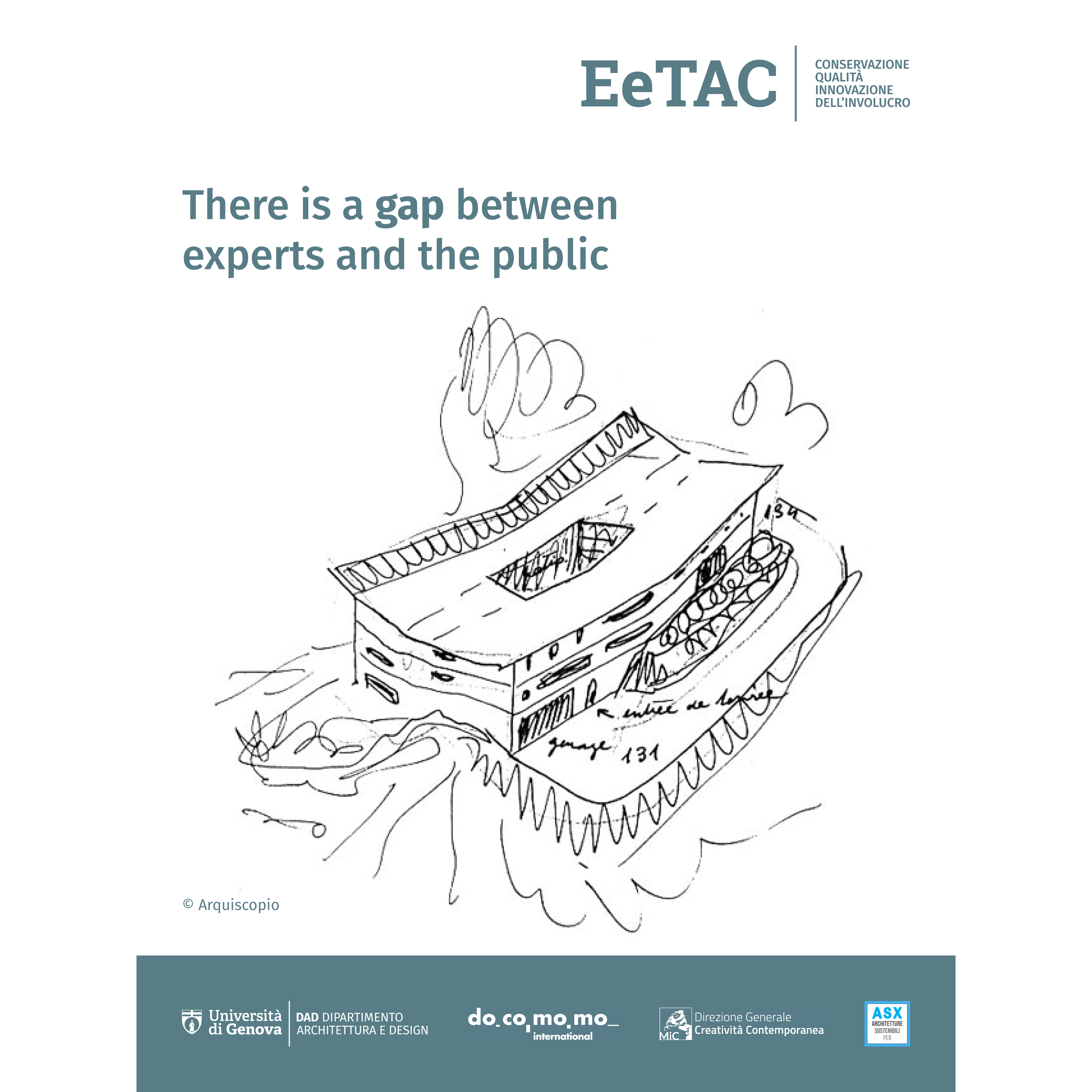
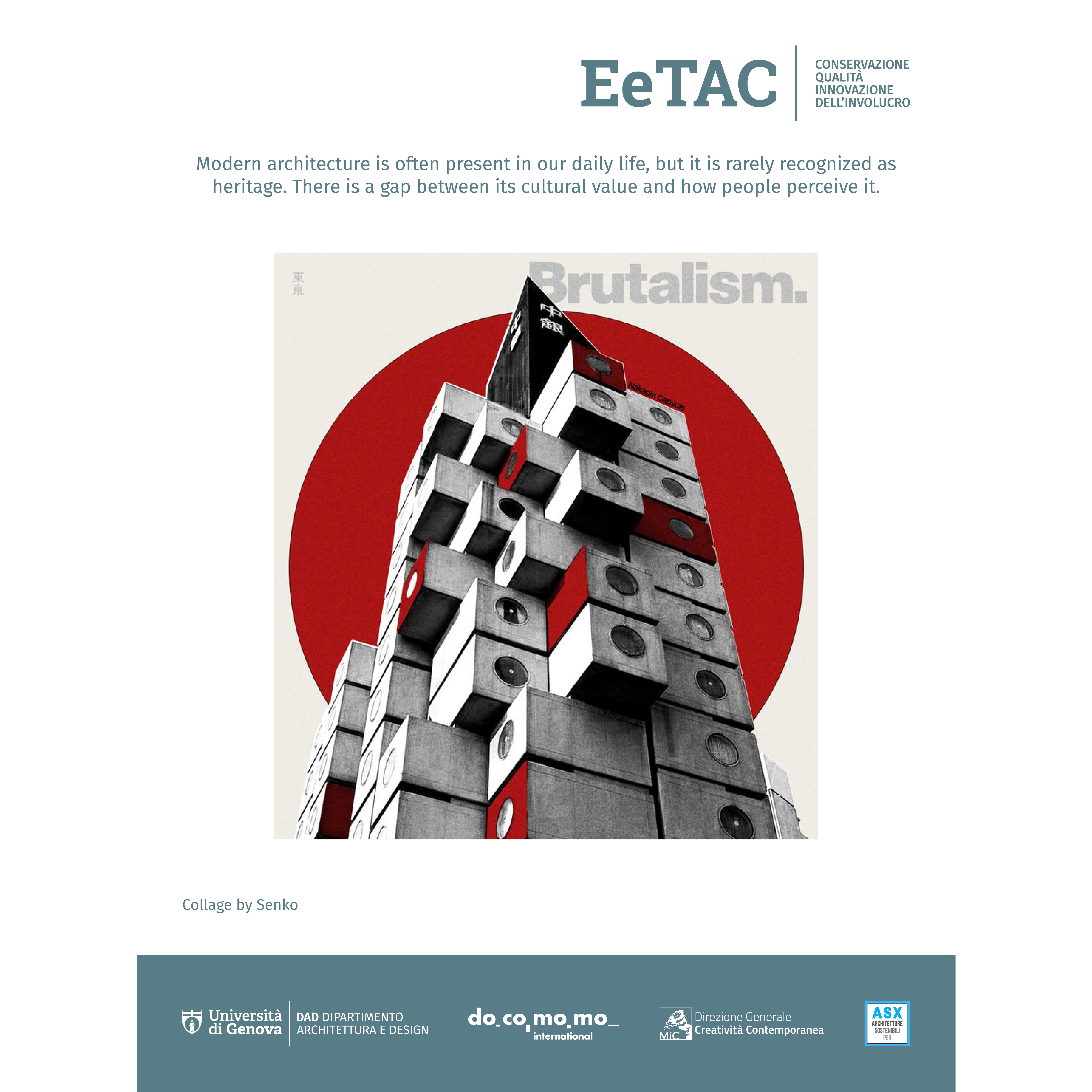
Valuing the Gap between Experts and the Public in Modern Architecture
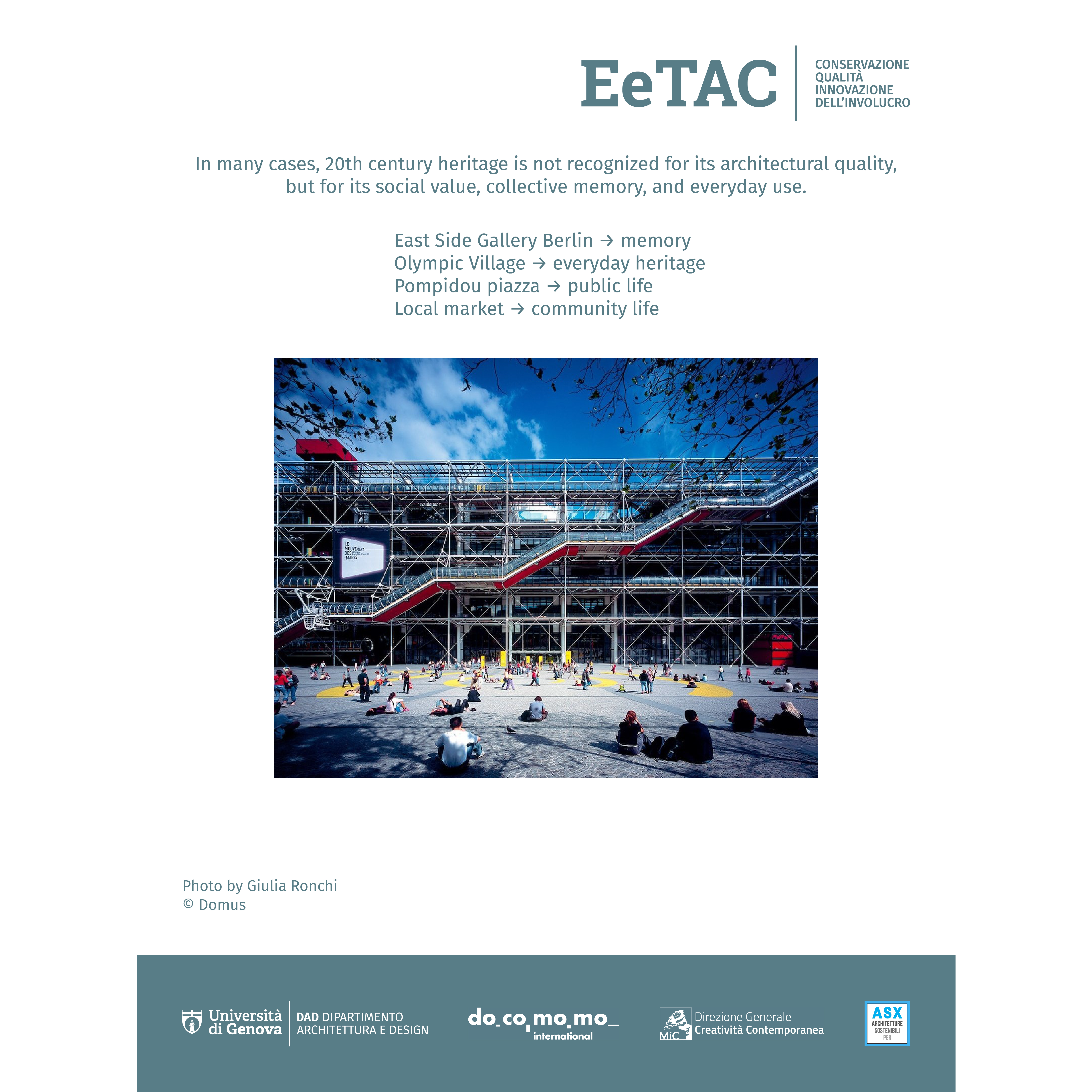
There is a glaring disconnect between the public and architects about modern architectural heritage, which frequently results in a misappreciation of its values. The public may first reject new designs, even while architects emphasize originality and cultural relevance. One famous example is the Centre Pompidou, whose radical design drew harsh criticism when it was first constructed. But as time went by, people's opinions changed, and it became a cherished monument. This illustrates the issue of "experts in, public out," in which regular users are left out of professional narratives. Modern heritage has social significance not just in technical merit but also in lived experience, memory, and identity. Bridging this gap requires public engagement and knowledge. Conservation initiatives may maintain both modern architecture and its changing link with society by emphasizing human experience and connection.
Keywords: modern architectural heritage, social value, public engagement


GROUP 03
Students: Mary Abou Sekka, Nita Baholli, Niki Eftekharnia, Sofia Kalenichenko, Faeze Kamali, Donghyuk Kang, Katherine Pazmino, Vladislav Prudiakov
Recognition is Sustainability
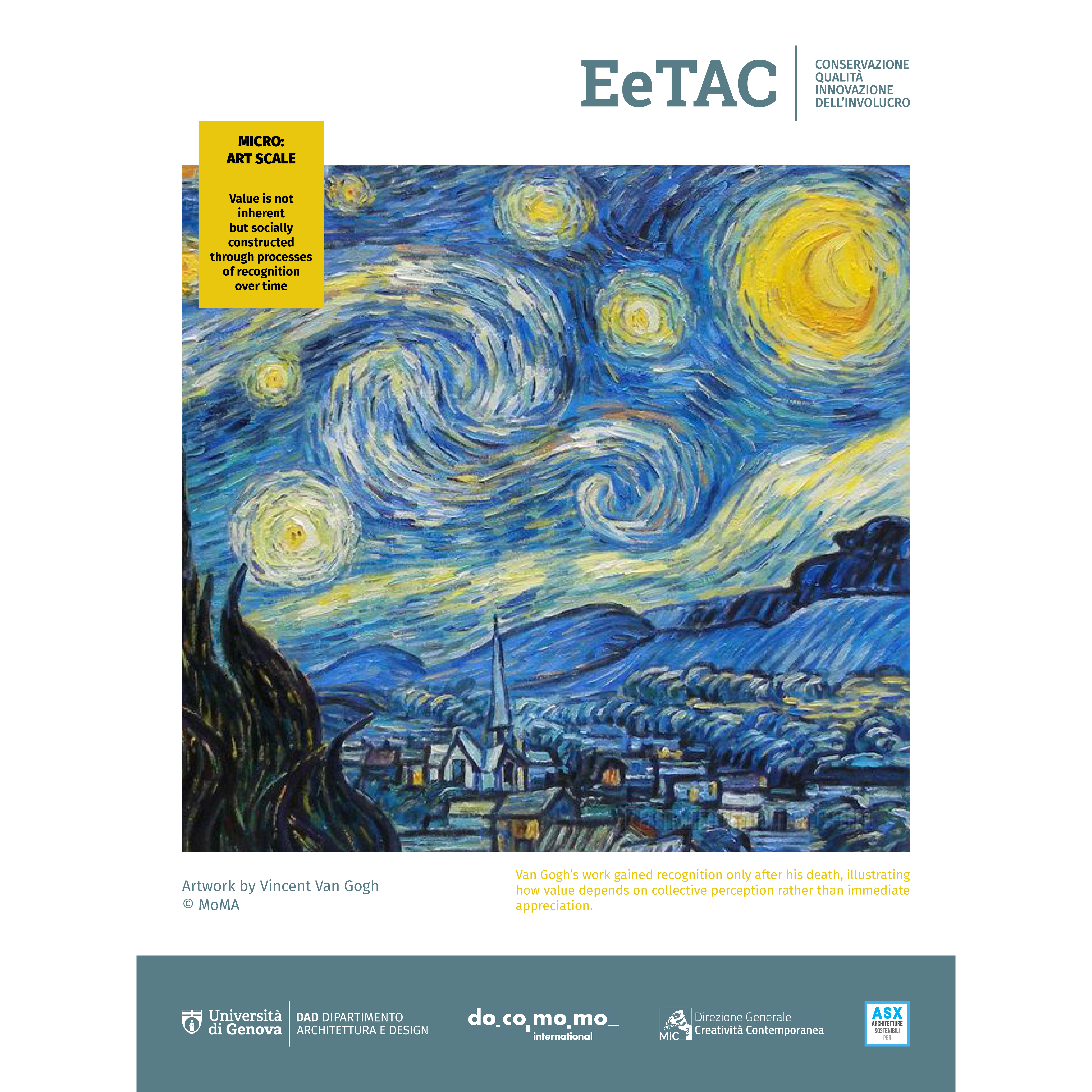
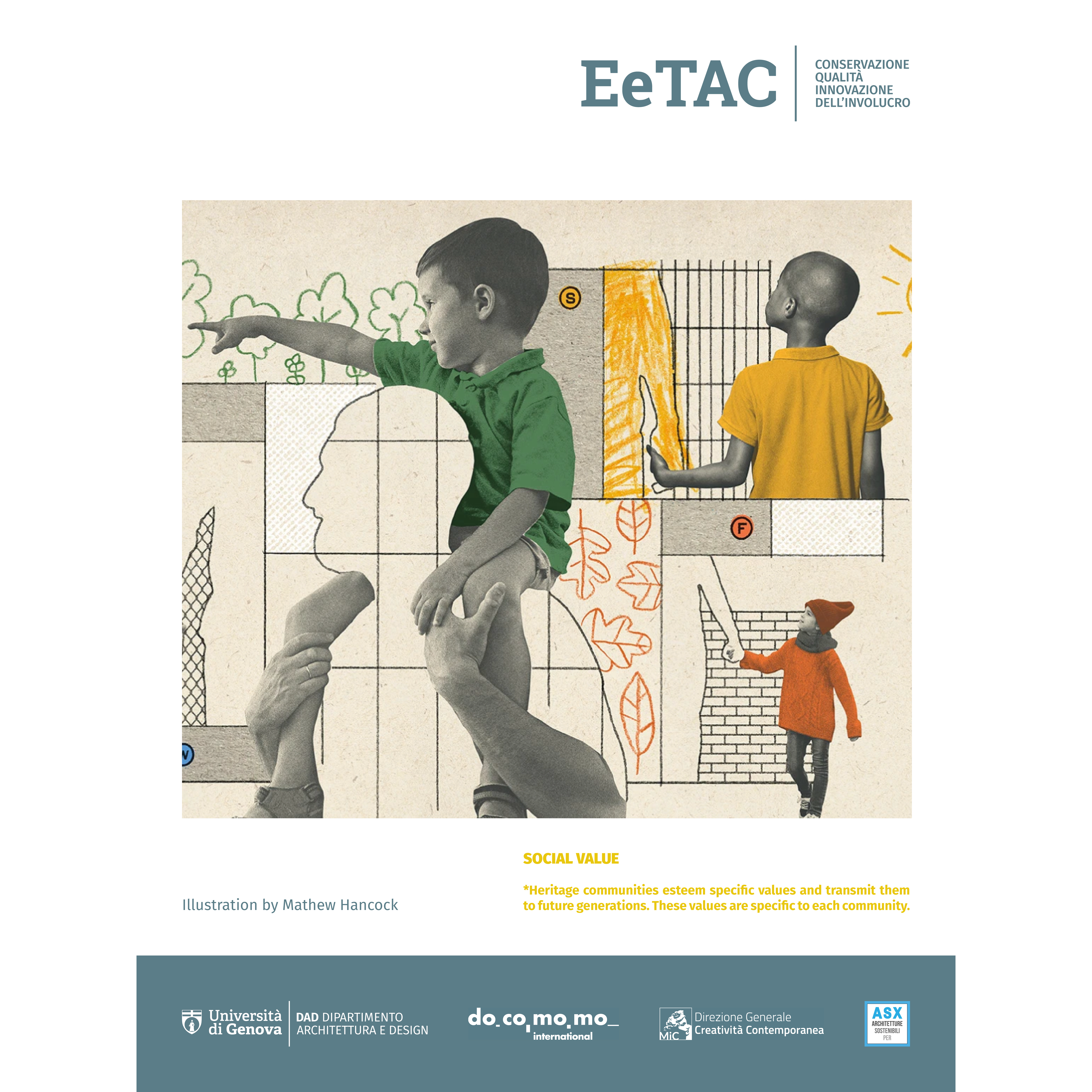
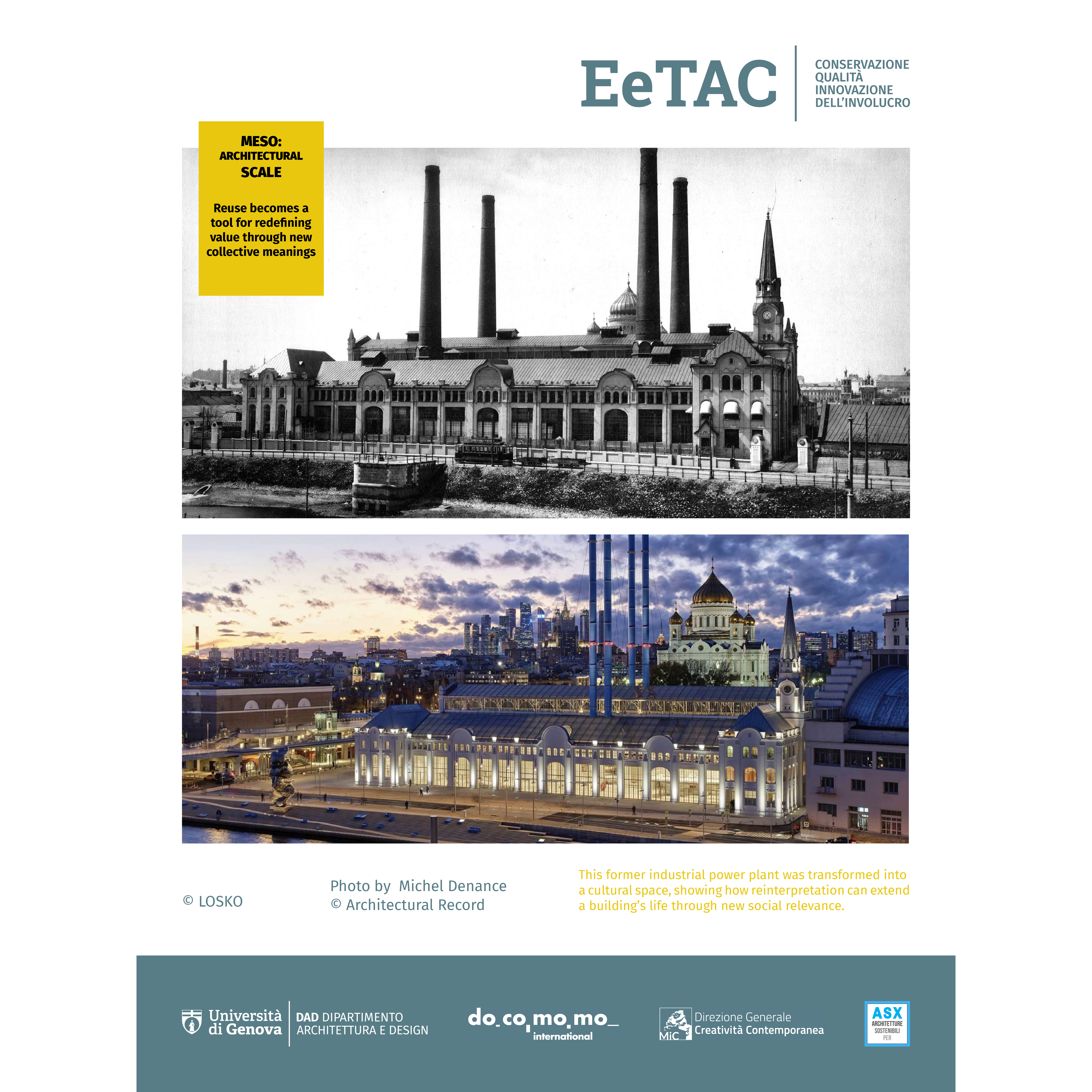
This work explores how the sustainability of artistic, architectural, and urban projects depends not only on their intrinsic qualities but on how they are recognized and valued by people. It argues that heritage is not fixed, but shaped through use, interpretation, and participation. Through three examples - Van Gogh’s paintings, the ex-power plant GES 2 in Moscow, Russia, and the case of Comuna 13 in Medellin, Colombia - the project shows how value is built at different scales, from art to architecture, to the city. It suggests that conservation should not focus on preserving a single meaning, but on supporting the ongoing processes through which communities give value to places.
Keywords: social recognition, participation, social value



GROUP 04
Students: Victoria Akhundov, Andrei Eliseev, Zahra Gholamzadeh, Alon Gilinski, Andrea Giuseppe Spinelli, Negin Tamjid, Eteri Velijanashvili
The Bubble Problem
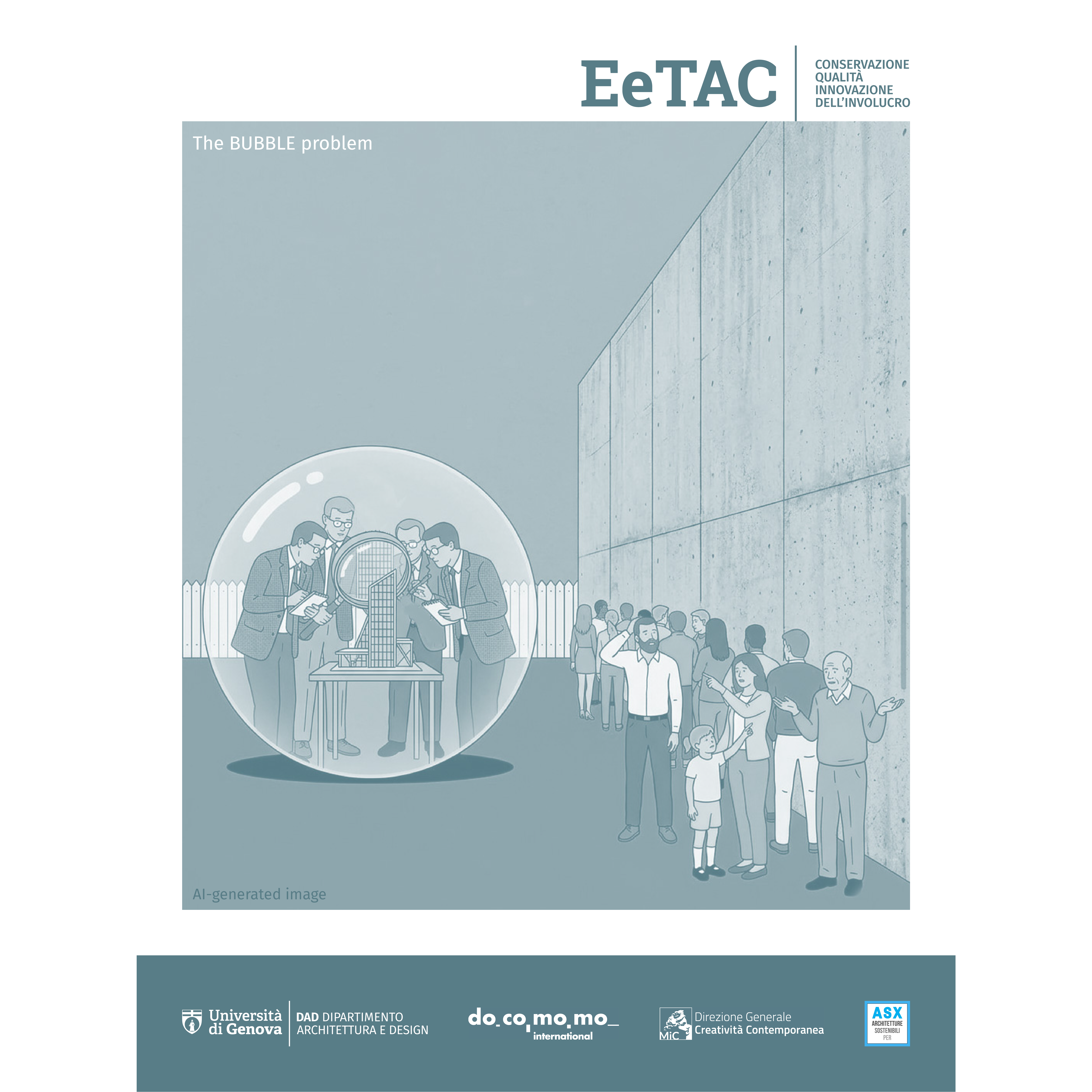
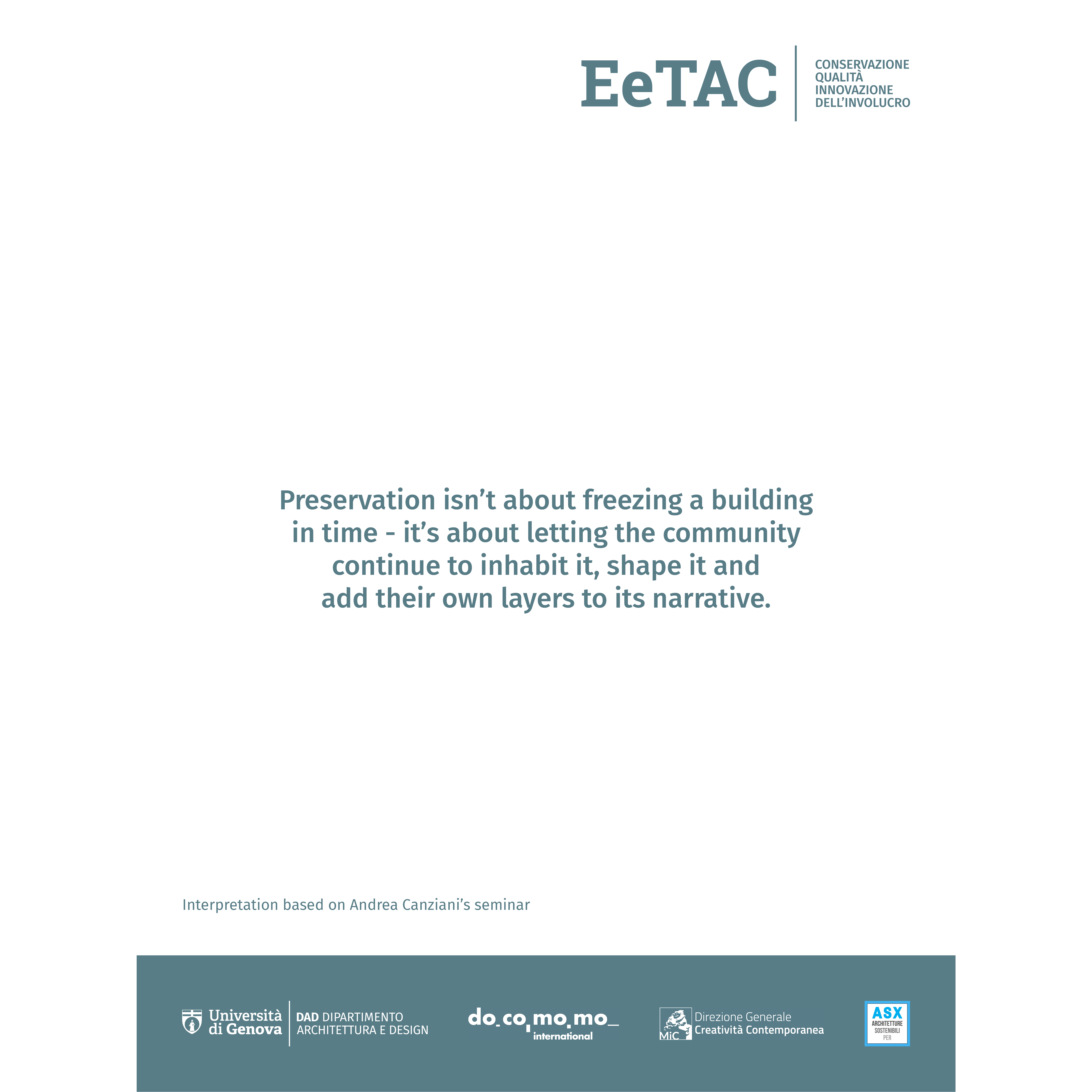
Experts often romanticize architecture and its history, while the public struggles to form a real connection with the same buildings. We analyze, theorize, and admire, yet those who live beside these structures often feel only indifference. Two opposing views of the same building can both be valid: social and emotional value is as important as its official historical recognition. Preservation should not freeze a building in time, but allow communities to inhabit it, transform it, and add new layers of meaning. Architecture is never truly finished; it evolves with its users. At the same time, high-quality planning is not driven by a consensus of wants, but by clear requirements. Involving non-experts directly in design decisions can widen the gap between expectations and outcomes. The role of the professional is to lead the process through objective criteria, avoiding the diluted results of design by committee.
Keywords: architectural bubble, expert/public point of view, design decision






GROUP 05
Students: Kristina Bujnakova, Elizabete Dreimane, Setareh Momen Zadeh, Lea Neufeldova, Kimia Piri, Torkan Rostamlou, Toms Martins Šaķis, Neda Saljoughi
Resurrection Instead of Demolition
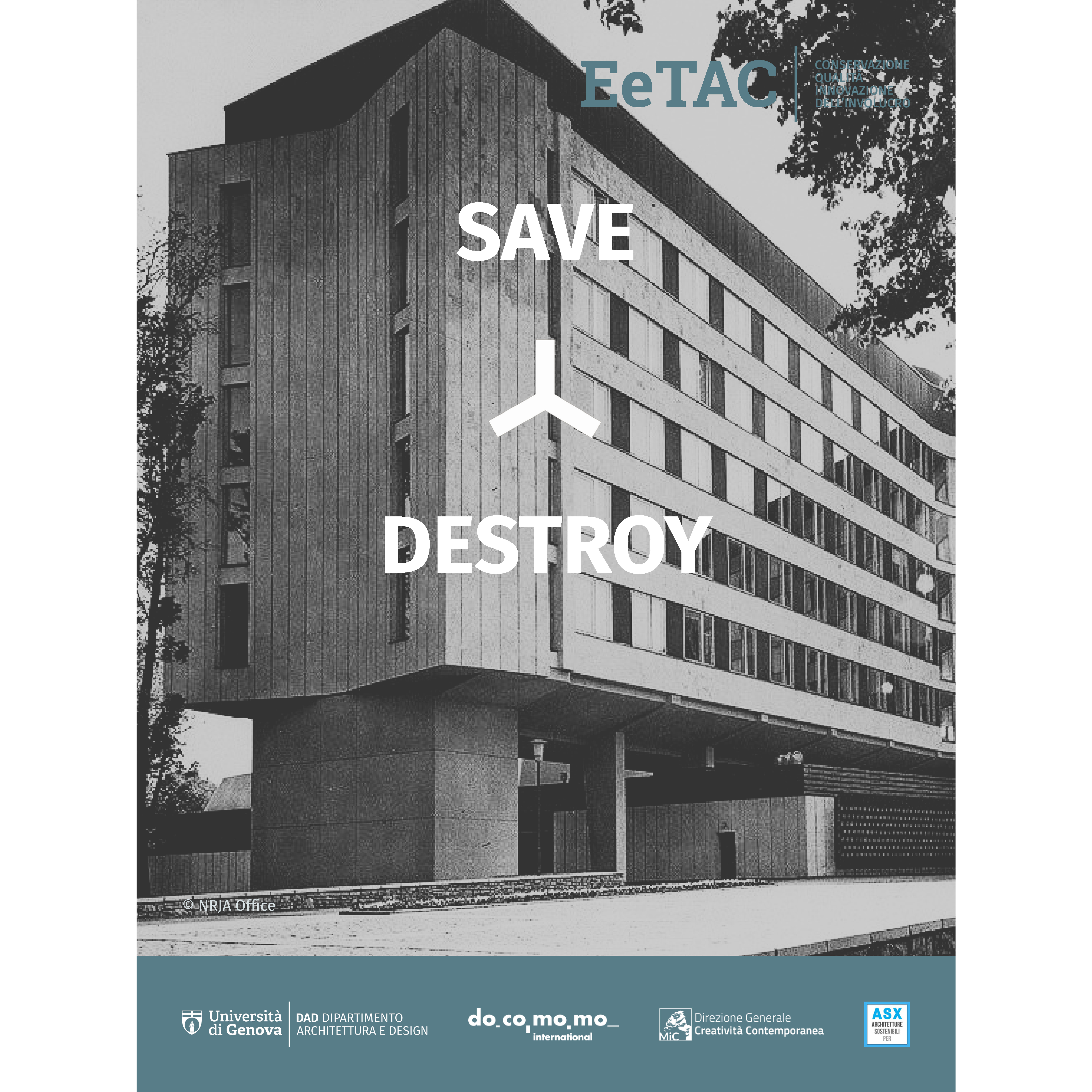
MMAJA in Riga, Latvia, clearly reflects the time in which it was built. Completed in 1974 as the headquarters of the Central Committee of the Communist Party of Latvia, it expresses an architectural language focused more on authority and control than on human experience. Its monumental form and rigid structure can feel distant and disconnected from everyday life. However, architecture is never fixed. Buildings do not remain tied to a single meaning. Over time, people interact with them in new ways, changing how they are understood. In this sense, the value of MMAJA does not come only from its design or history. It is also created by people. Through everyday use and experience, the building acquires new meanings. What once felt cold or institutional can become familiar and part of daily life. MMAJA is important not only for what it was, but for what it can become.
Keywords: participation, adaptive reuse, human interaction




GROUP 06
Students: Yacine Azzouni, Mahdieh Chehrazi, Mahmoud Elkafrawy, Negar Ghodrati, Nima Hojati, Helia Kamalpour, Nadjib Achour Mohamed, Ahmad Othman, Rasa Rahmani
Grand Parc Apartment Building
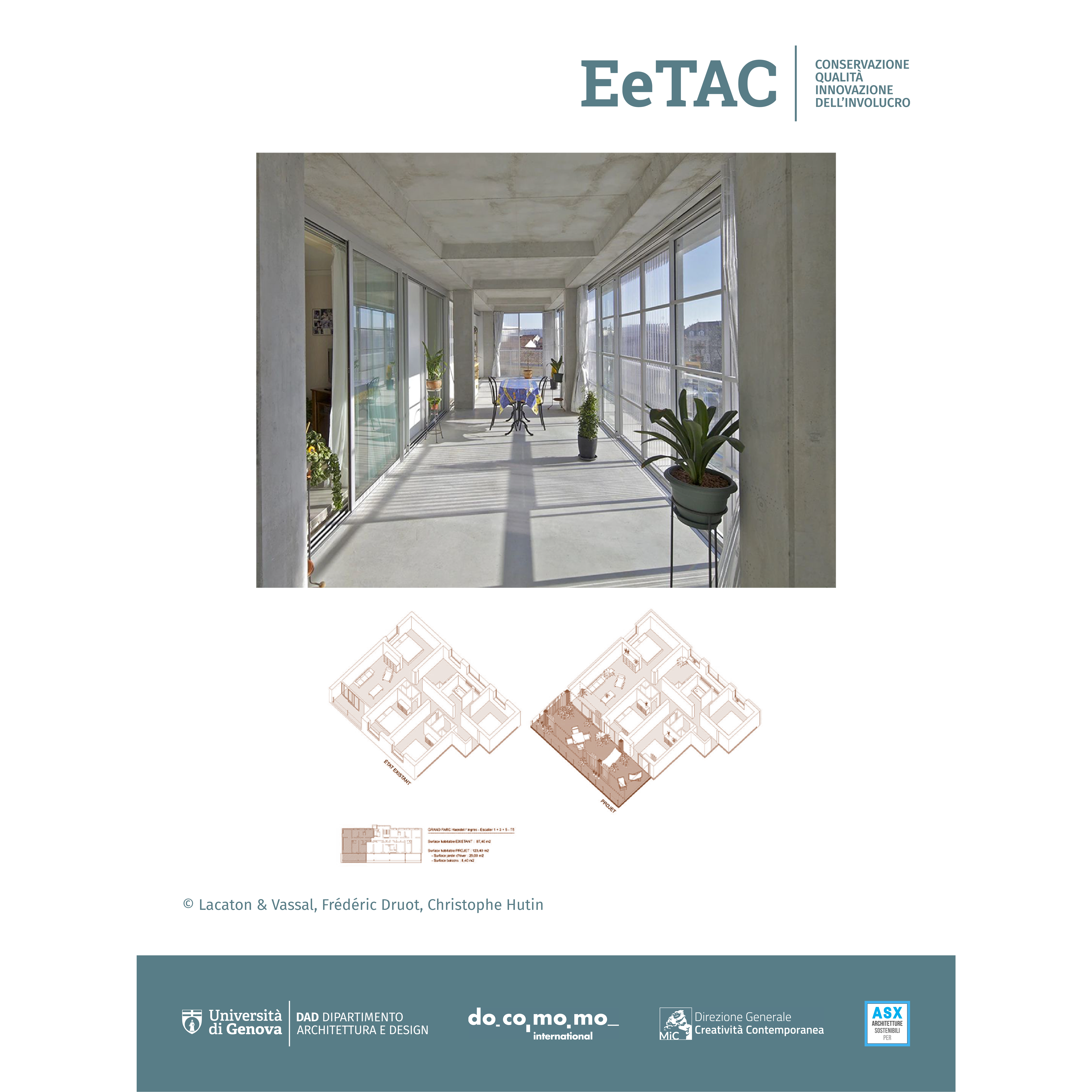
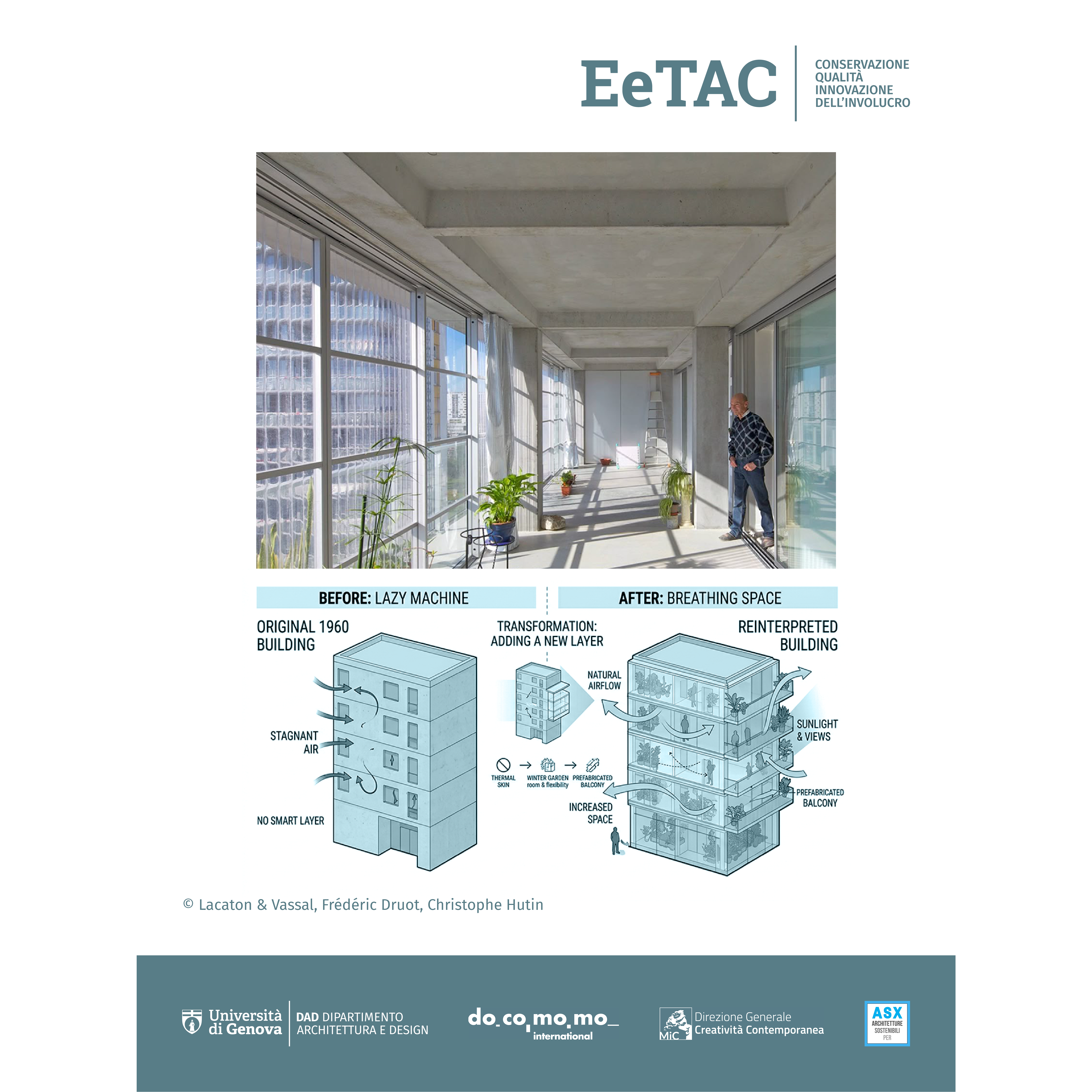
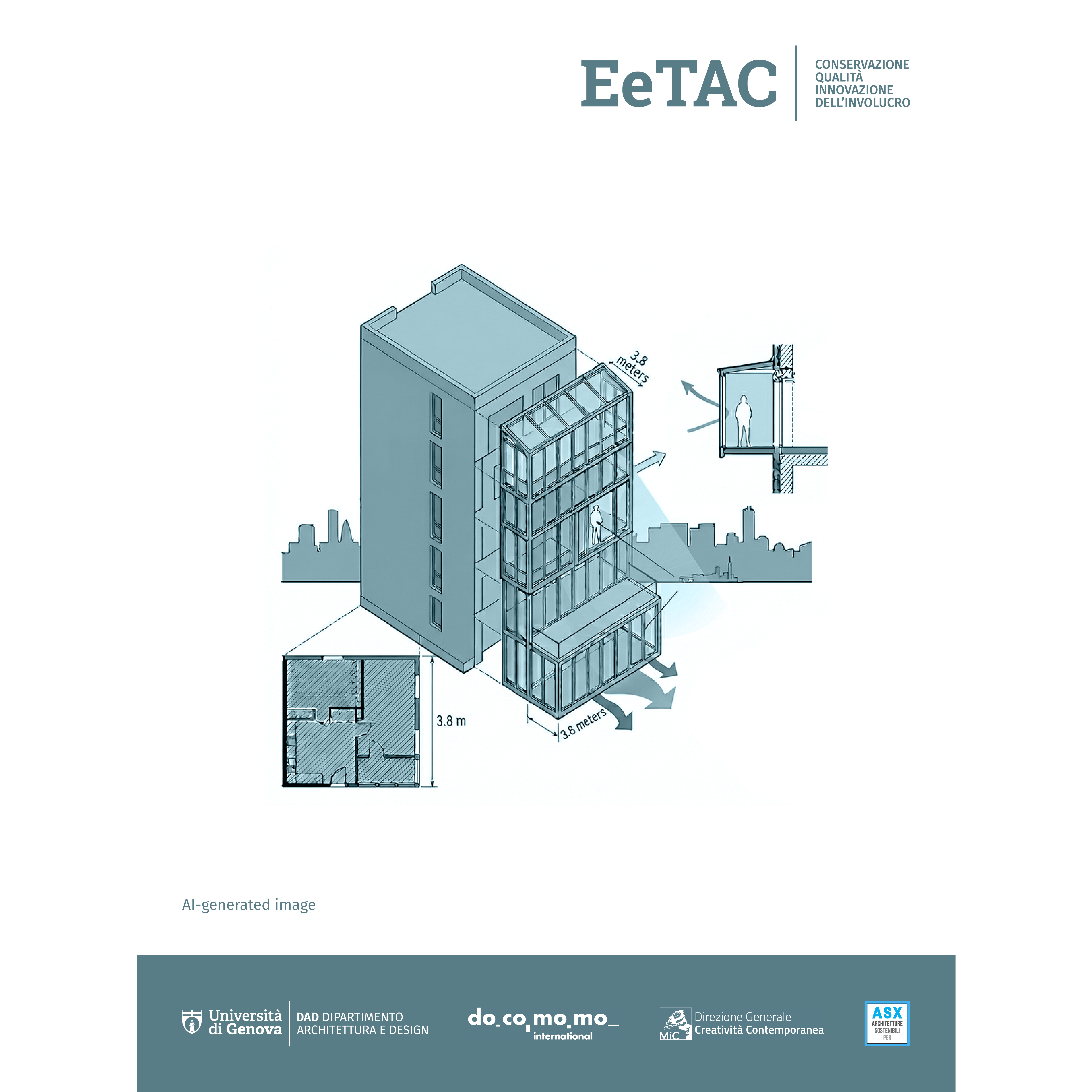
The renovation and transformation of Blocks G, H, and I in the Grand Parc district of Bordeaux, carried out by Lacaton & Vassal, Frédéric Druot, and Christophe Hutin, is an example of embodied values in twentieth-century architecture. Built in the early 1960s as part of France’s large-scale social housing program, the complex was threatened with demolition. The architects acted as mediators between the municipality and residents, proving that renovation would cost 50% less than demolition and reconstruction. More than 1,000 residents joined consultation meetings, no family was displaced, and rents did not increase. Reinterpretation took the form of winter gardens and prefabricated balconies, adding light, space, and flexible in-between areas. Preservation meant not restoring the old image, but preserving embedded energy and neighborhood identity. Using climatic logic, winter gardens improved thermal performance and quality of life. The project shows the architect’s role as mediator, interpreter, and guardian of structural authenticity.
Keywords: mediation, reinterpretation, cultural sustainability



GROUP 07
Students: Jessica Beimdick, Amir Kooshan Fotoohi, Farnaz Ghadam Zadeh, Yeganeh Ghamatitavil, Ali Hajian, Md Saiful Islam, Pardis Mardan, Ilinca Neculae, Hasti Yousefi
An Era of Satisfaction
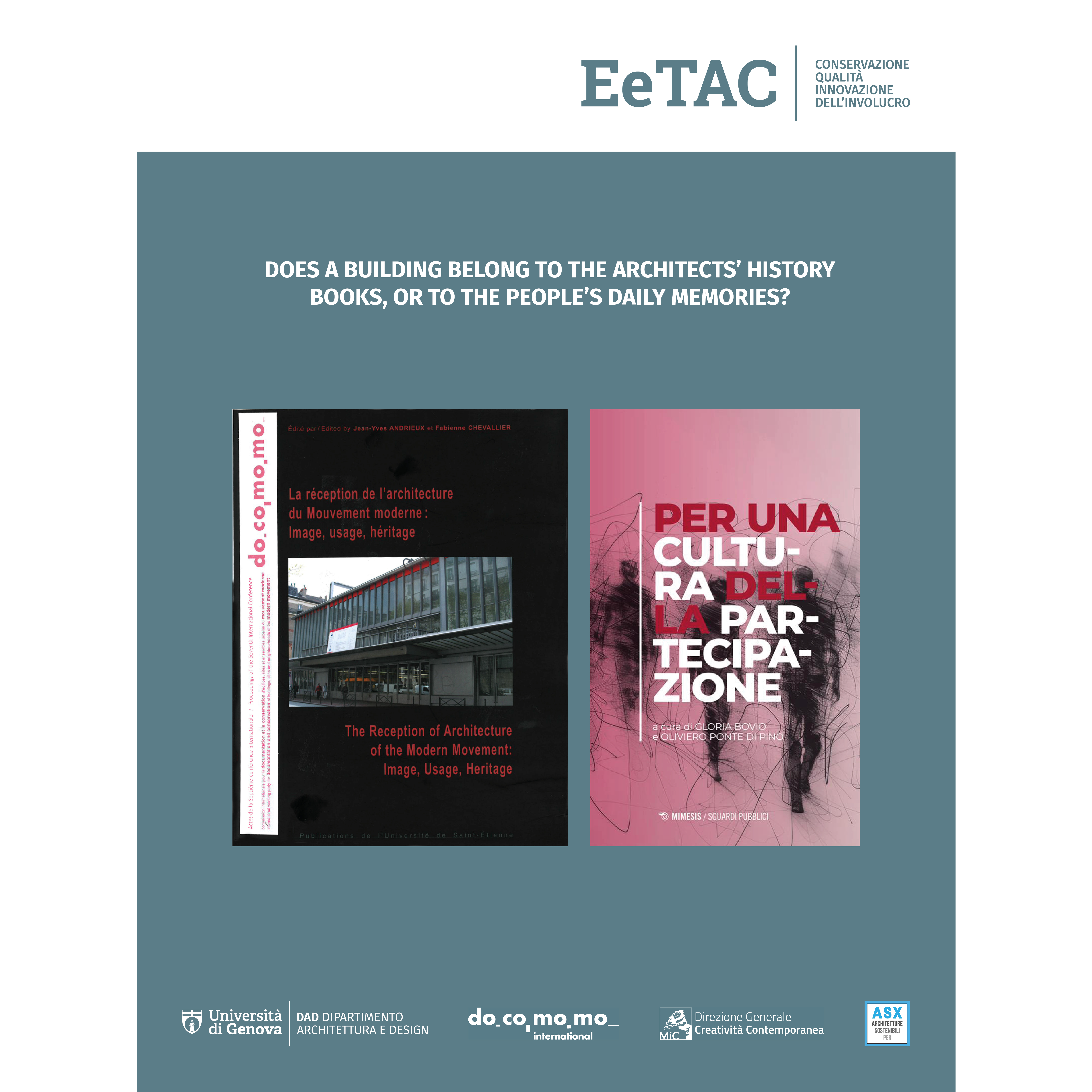
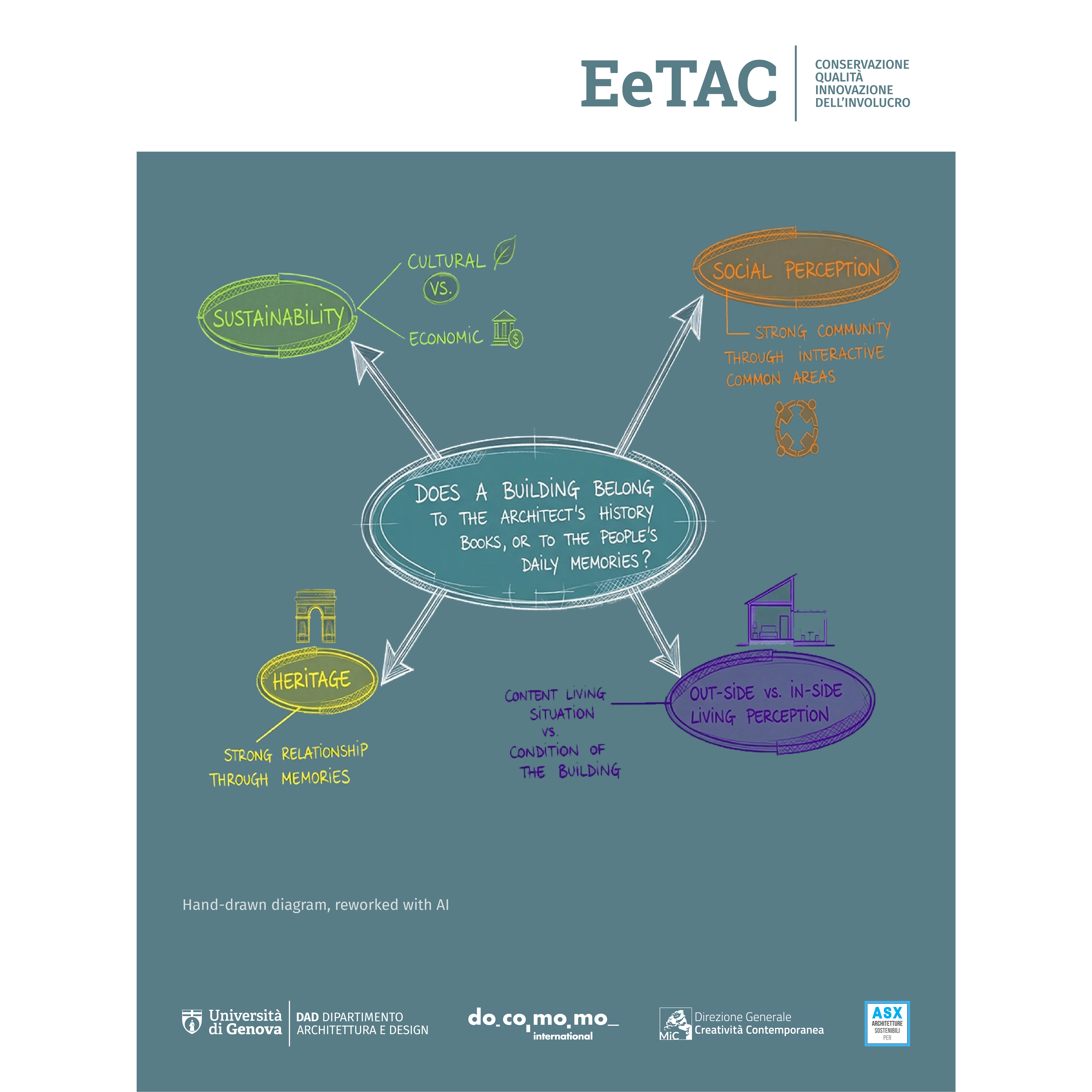
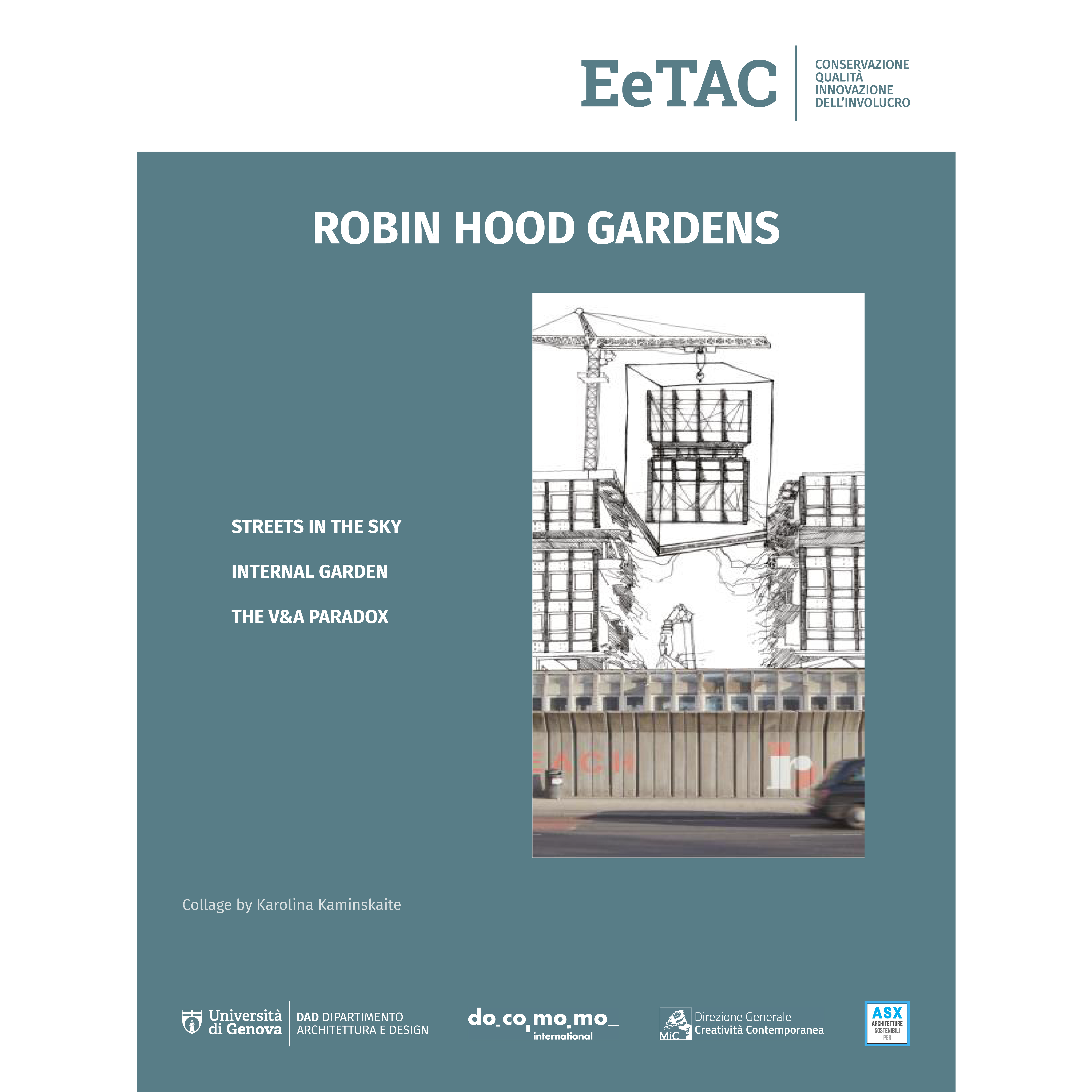
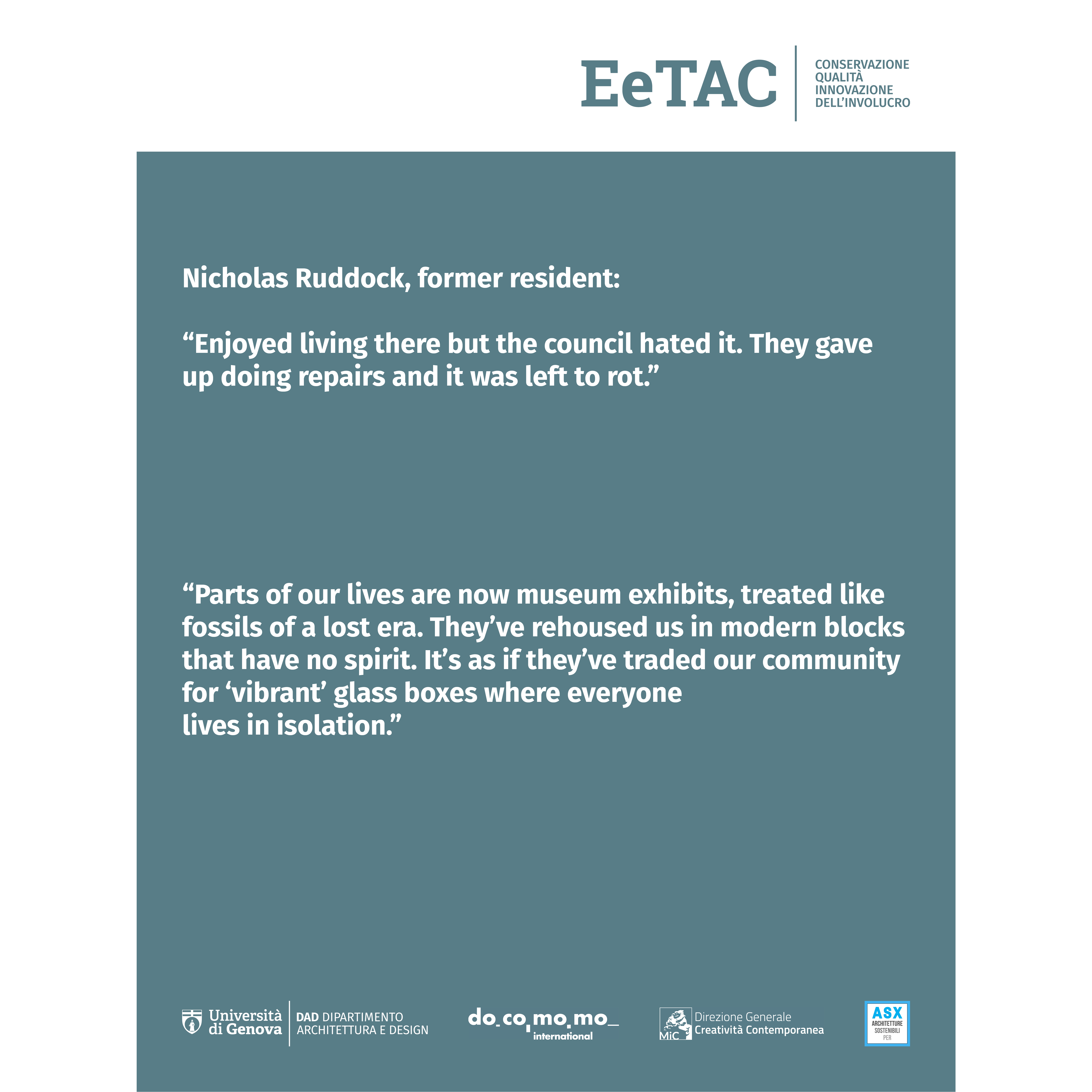
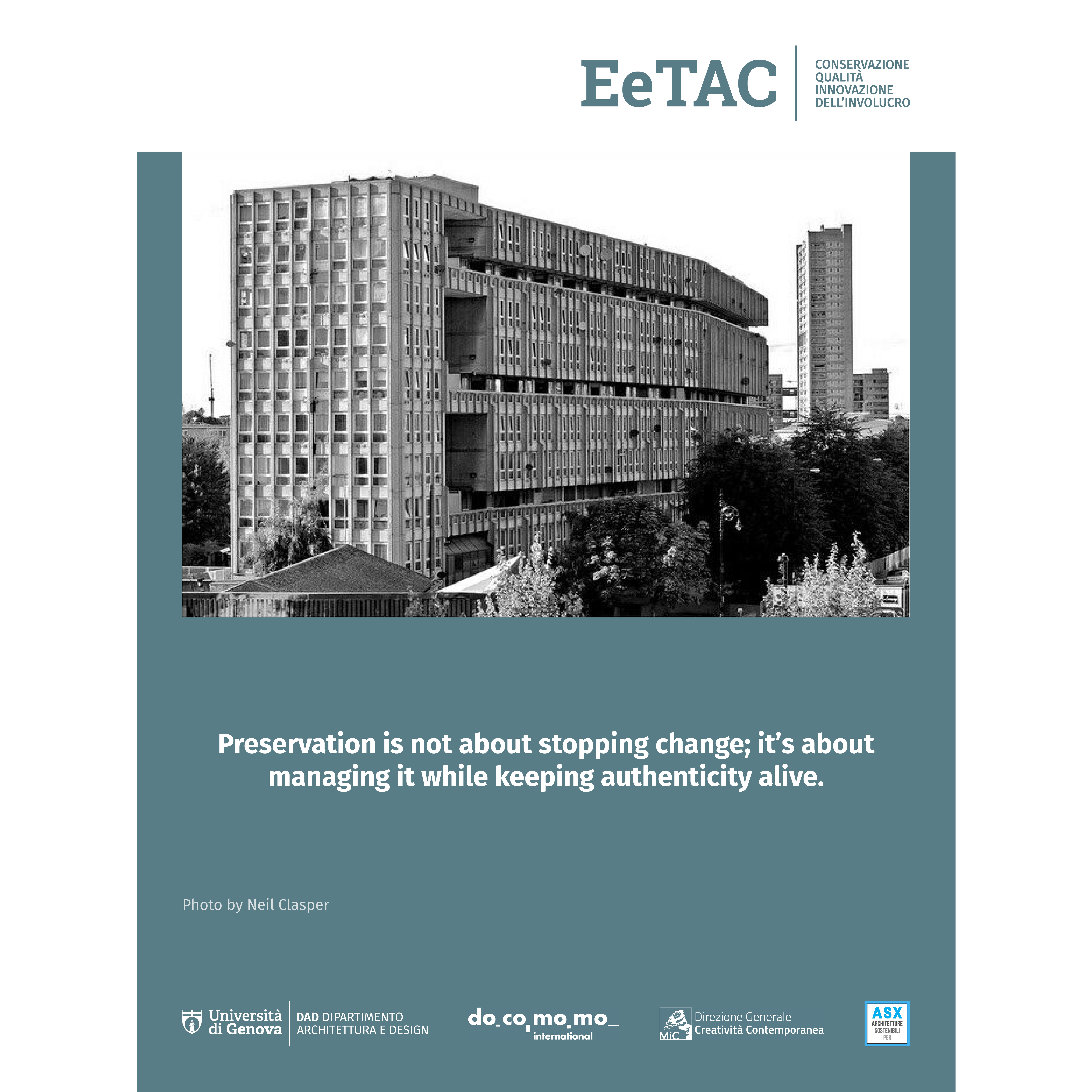
This project critically explores the tension between architectural intention and lived reality through the lens of “An Era of Satisfaction.” By analyzing the social, spatial, and cultural dimensions of the case study, we question whether architecture is ultimately preserved in professional narratives or in the everyday memories of its inhabitants. The diagrams highlight key contradictions between design ideals and their actual performance over time. Through a series of guiding questions, we investigate issues of maintenance, identity, and community, revealing how neglect and policy decisions can undermine even the most ambitious visions. Our proposed strategies aim to bridge this gap by prioritizing adaptability, user engagement, and long-term sustainability. Rather than treating preservation as static, we frame it as an evolving process that respects both historical significance and contemporary needs, ensuring that architecture remains meaningful not only as an object but as a lived experience.
Keywords: lived experience, preservation, community




GROUP 08
Students: Elaheh Aghamolaei, Yamama Khalil, Amirreza Namdan, Mohammadreza Rostami, Ibrahim Sabri, Ashkan Shoari
Buzludzha Monument
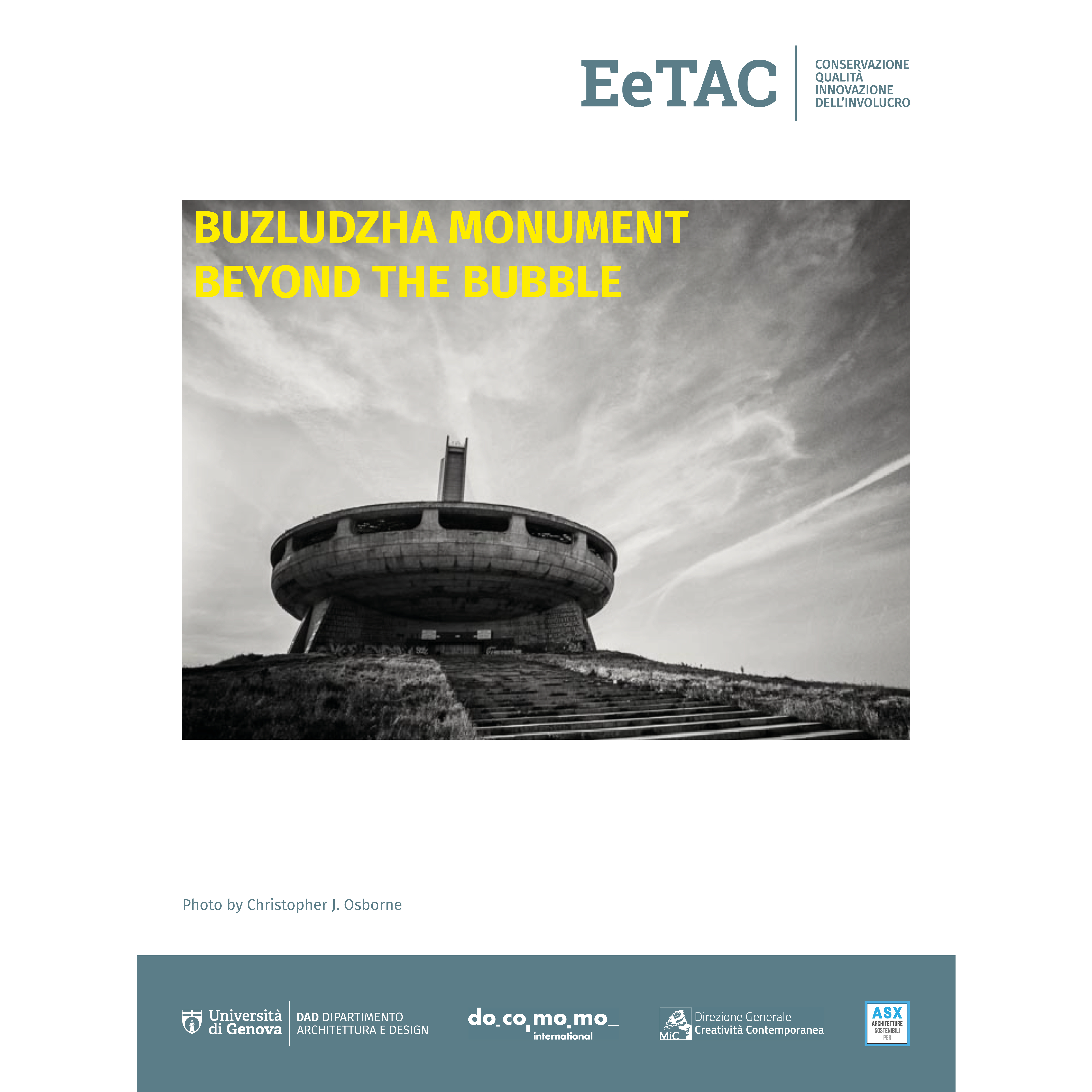
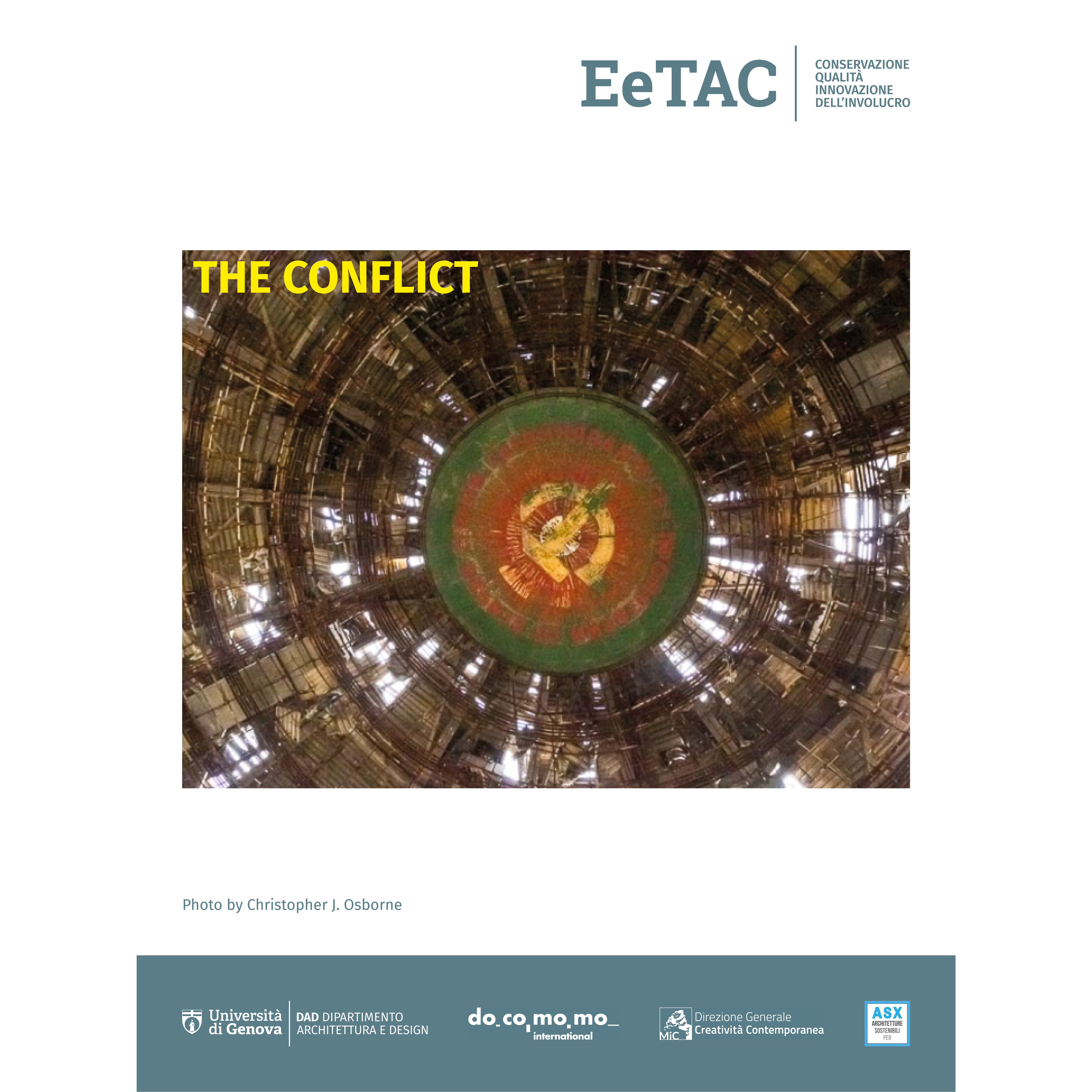
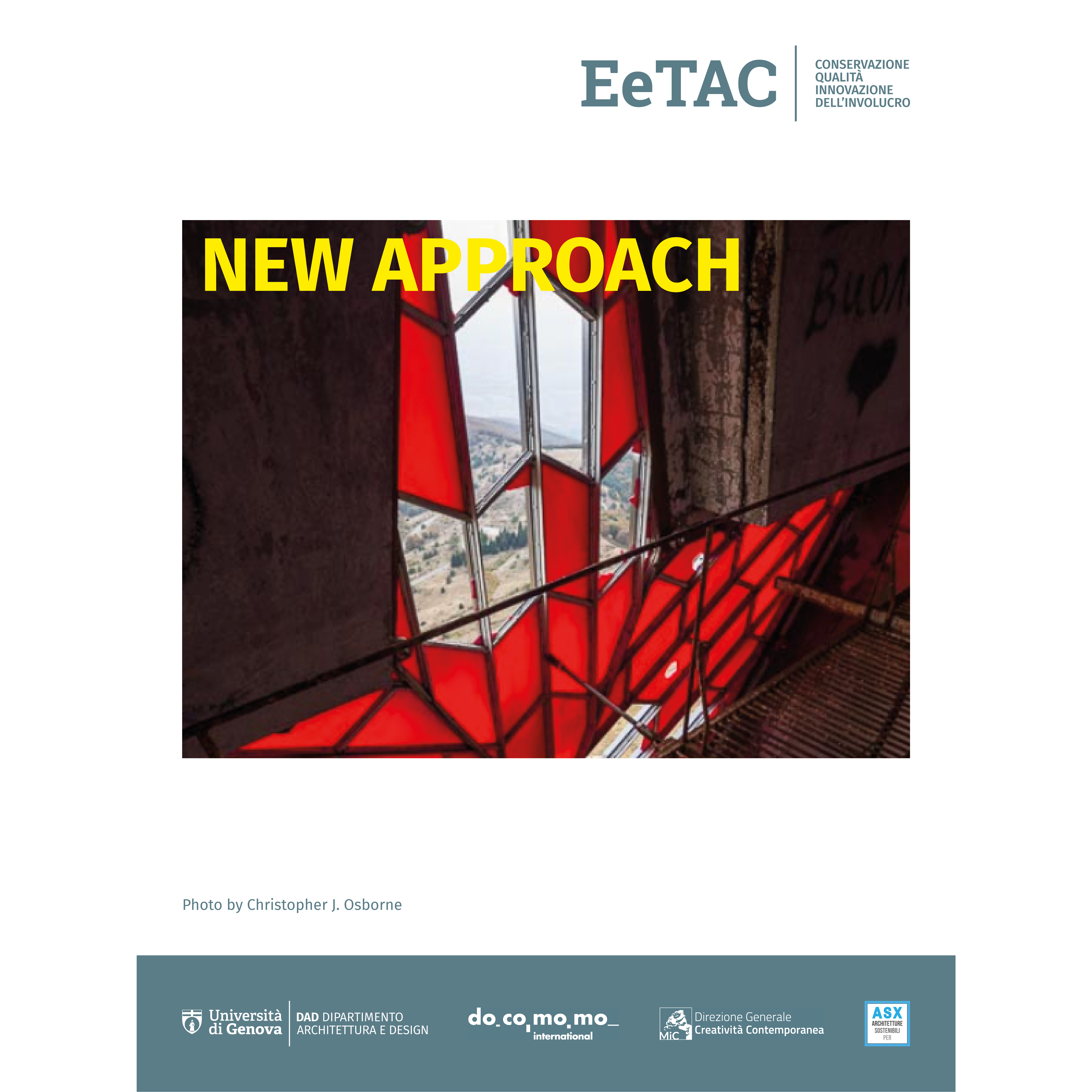
This project explores the challenges of conserving modern architectural heritage through the case of the Buzludzha Monument in Bulgaria. Built in 1981 as a symbol of the communist regime, the monument has significant architectural, historical, and symbolic values. Its futuristic form and monumental scale represent an important example of late-modern design, while its mosaics and spatial composition reflect strong artistic value. However, after the political transition, the building lost its original meaning and was abandoned. Today, it embodies a conflict between preservation and rejection, as some recognize its cultural and architectural significance, while others associate it with a controversial past. This case highlights how heritage value is not fixed but depends on social perception, memory, and recognition. Moving beyond the bubble requires integrating public perspectives into conservation processes.
Keywords: contested heritage, collective memory, socio-political significance



GROUP 09
Students: Fatemeh Azadi Kenari, Pegah Babazadeh, Antonio Cuomo, Nazanin Dadebeigi, Yilmaz Dilara, Saif Ali Ghori, Amin Hatamian, Mohammadamin Nojani, Farnaz Ziashahabi
From Imposed Forms to Lived Spaces: Rethinking Sustainability through Community
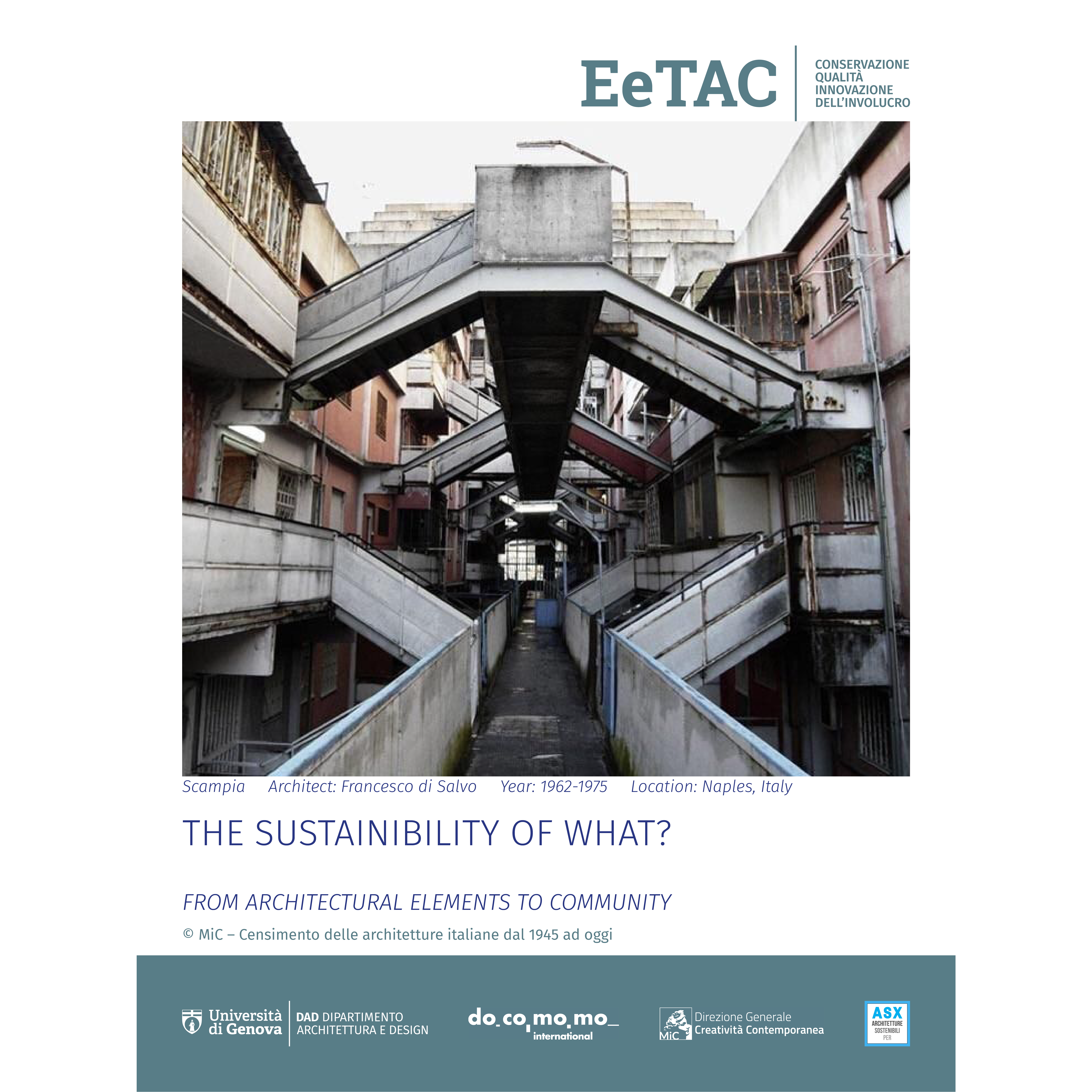
This project reflects on how architecture becomes truly sustainable only when it responds to people, culture, and everyday life. Through the comparison between Scampia’s Vele in Naples and the Naderag Guest House in Baluchestan, it highlights two different approaches to modern architecture: one imposed from above and disconnected from community needs, the other shaped through participation, belonging, and cultural understanding. The message is that sustainability is not only about constructing buildings or solving technical issues, but about recognizing social realities. It emphasizes how neglecting users leads to failure, while inclusive and context-driven design fosters identity, care, and continuity. Architecture is sustainable when it is meaningful to the people who inhabit it.
Keywords: sustainability, community, participation